
News
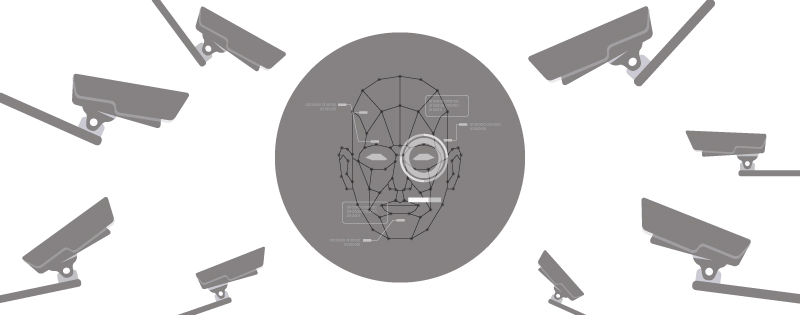
Unlawful video surveillance with face recognition in Belgrade
The Impact assessment of video surveillance on human rights, conducted by the Ministry of Interior of Serbia, did not meet the legal requirements. Also, the installation of the system lacks basic transparency. Hence, the process should be suspended immediately and the authorities should engage in an inclusive public debate on the necessity, implications and conditionality of such a system.
The installation of smart video surveillance in Belgrade, with thousands of cameras and face recognition software, has raised public concern. Three civil society organisations (CSOs) – SHARE Foundation, Partners for Democratic Change Serbia (Partners Serbia) and Belgrade Center for Security Policy (BCSP) – published a detailed analysis of the MoI’s Data Protection Impact Assessment (DPIA) on the use of smart video surveillance and have reached a conclusion that the document does not meet the formal or material conditions required by the Law on Personal Data Protection in Serbia.
The Commissioner for Personal Data Protection of Serbia also published his opinion on the DPIA, confirming the findings of the aforementioned organisations. According to the Commissioner, the DPIA was not conducted in line with the requirements of the Law on Personal Data Protection.
The opportunity to address all issues of public interest through the MoI’s DPIA was missed, as well as the obligation to fulfill both formal and material terms required by the Personal Data Protection Law. The DPIA does not meet the minimum legal requirements, especially in relation to smart video surveillance, which is a source of most interest and concern of the domestic and foreign public. The methodology and structure of the DPIA do not comply with the requirements of the Personal Data Protection Law because The positive effects on crime reduction as described in the DPIA are overestimated, due to the fact that relevant research and comparative practices have been used selectively. It has not been established that the use of smart video surveillance is necessary for the sake of public safety, or that the use of such invasive technology is proportionate, considering the risks to citizens’ rights and freedoms.
The MoI should suspend further introduction of smart video surveillance systems. In addition, the MoI and the Commissioner should initiate an inclusive public debate on video surveillance legislation and practice that will be in line with a charter on the democratic application of video surveillance in the European Union.
Related content

A Tale of Two Viruses
It was the best of times, it was the worst of times, it was the age of wisdom, it was the age of foolishness, it was the epoch of belief, it was the epoch of incredulity, it was the season of Light, it was the season of Darkness, it was the spring of hope, it […]
3. April, 2020.
In memoriam: Nikola Marković (1939–2026)
We are saddened by the passing of Nikola Marković, one of the people who laid the foundations of the information society in Serbia and Yugoslavia. Throughout his decades-long career, he dedicated his work to the development of public information systems, the advancement of digital government, and the promotion of knowledge as a public good. He […]
14. July, 2026.

Empowering Individuals for Enhanced Identity Protection
Although cybersecurity may appear to be primarily a technological concern, it ultimately revolves around human beings. Humans play a pivotal role in cybersecurity, as they can unintentionally compromise sensitive information and systems through social engineering tactics or errors, emphasizing the need to empower individuals with appropriate technologies and awareness training. In addition to the challenges […]
9. June, 2023.